

Proctology, also called anorectal surgery, is the diagnosis and treatment of conditions affecting the anus and rectum, including piles (haemorrhoids), fissures, fistula, pilonidal sinus and rectal prolapse.
- Bleeding during or after a bowel movement
- Pain around the anus, particularly during or after passing stool
- A lump or swelling around the anus
- Discharge, itching or persistent irritation
- A recurring boil-like swelling near the tailbone, which may suggest a pilonidal sinus
- A sensation of tissue coming out of the anus, which may suggest a rectal prolapse
Anorectal symptoms are common and usually have a straightforward, treatable cause, such as piles or a fissure. Because some of the warning signs, such as bleeding, can also relate to other bowel conditions, it is worth having any persistent symptom properly assessed rather than assumed.
Common contributing factors include constipation or straining, pregnancy, prolonged sitting, low fibre intake, and, for pilonidal sinus, a family history and lifestyle factors. Many patients have no clear cause at all.
Clinical examination of the affected area
Proctoscopy or anoscopy to assess piles, fissures or fistula in more detail
Further investigation, such as a colonoscopy, where bleeding needs to be fully assessed
Planning of the most suitable treatment based on the type and severity of the condition
- Laser surgery for piles, fissures, fistula and pilonidal sinus: minimally invasive treatment associated with less pain and a faster recovery for suitable cases
- Rafaelo procedure: a radiofrequency, cutting-free option for selected piles cases (see the dedicated Rafaelo Procedure page)
- Fistula surgery: treatment aimed at clearing the fistula tract while protecting continence
- Rectal prolapse surgery: surgical correction of prolapse, with the approach depending on severity and patient factors
Most anorectal procedures are day cases or involve a short hospital stay, with recovery discussed individually based on the treatment chosen.
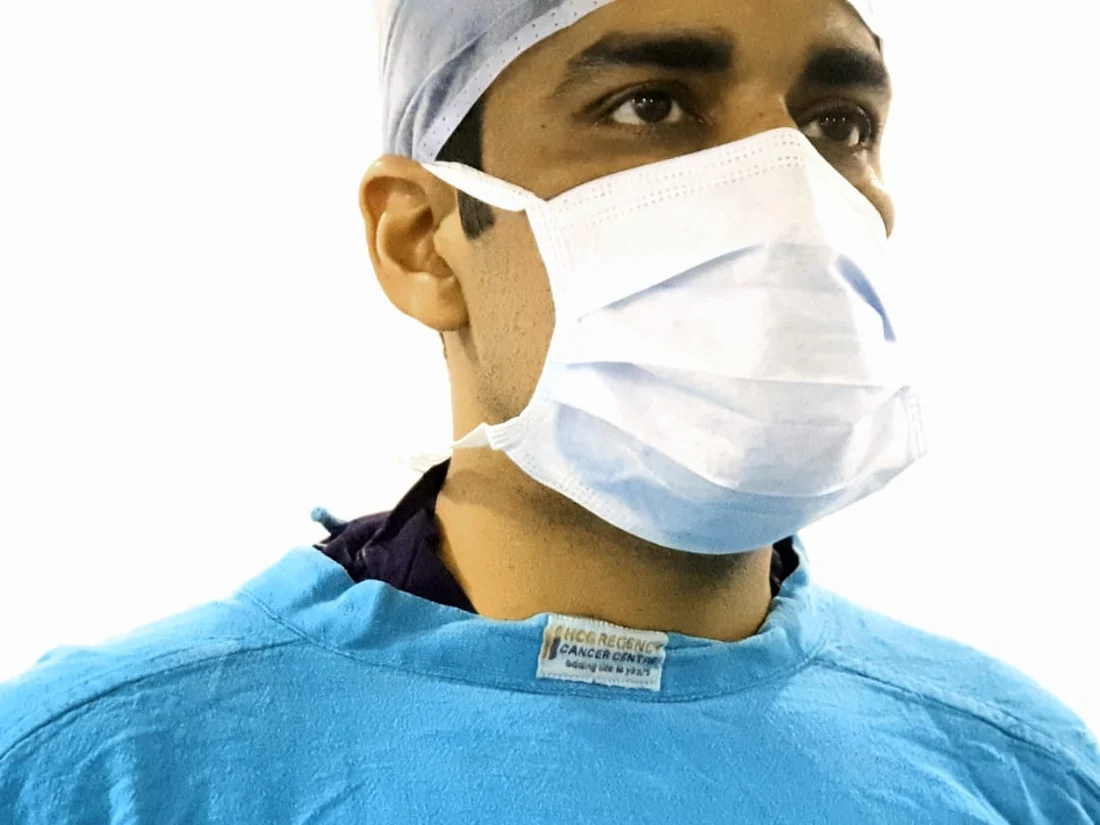
- Over 15 years of experience in Surgical Gastroenterology
- Fellow of the Association of Minimal Access Surgeons in India (FAMASI), supporting a minimally invasive approach to piles, fissures and fistula
- Offers a full range of treatment options, from conventional to laser, Rafaelo and MIPH, matched to each patient
- Part of a legacy of surgical firsts in Kanpur, reflecting a broader commitment to advanced surgical care in the region
No. Mild piles are often managed with dietary changes and medication first. Surgery or a minimally invasive procedure is considered when symptoms persist or are more severe.
Laser and other minimally invasive treatments for piles are generally associated with less pain than conventional surgery, though some discomfort during recovery is normal.
A fissure is a small tear in the lining of the anus, usually causing sharp pain during bowel movements, while piles are swollen blood vessels that more often cause bleeding or a lump. Both can occur together.
Not always. While piles are a common cause of bleeding, persistent or unexplained bleeding should always be properly assessed to rule out other causes.
Anorectal symptoms are treatable, and there is no need to manage them alone. Dr. Abhimanyu Kapoor provides specialist proctology care in Kanpur, including laser and minimally invasive options.