

Bariatric and metabolic surgery, also called weight loss surgery, is surgery that reduces the size of the stomach or changes how food is digested, to support significant and sustained weight loss and to improve weight-related conditions such as type 2 diabetes.
- A body weight that has not improved with diet, exercise or medical treatment
- Type 2 diabetes, high blood pressure or joint pain linked to excess weight
- Difficulty managing weight-related health conditions with medication alone
- A significant impact of weight on daily life, mobility or overall health
Considering bariatric surgery is a significant decision, and it is normal to have questions or reservations. Bariatric surgery is not offered to every patient who is overweight. It is recommended only after a full individual assessment of your weight, health conditions and previous attempts at weight management.
Suitability generally depends on body weight, the presence of weight-related conditions such as diabetes or high blood pressure, and whether previous attempts at weight management have been unsuccessful. A full medical assessment is needed to confirm whether surgery is an appropriate option for you.
Detailed review of weight history and previous attempts at weight management
Assessment of weight-related health conditions, such as diabetes or high blood pressure
Pre-surgical investigations to confirm fitness for surgery
Discussion of the surgical options and what to expect afterward
- Sleeve gastrectomy: removal of part of the stomach to reduce its size and limit food intake
- Gastric bypass: a procedure that changes how food is digested, in addition to reducing stomach size
- Laparoscopic approach: performed using minimally invasive techniques for suitable patients
- Ongoing follow-up: monitoring of weight, nutrition and weight-related conditions after surgery
Bariatric surgery is one part of a longer-term plan, and follow-up care after surgery plays an important role in the outcome.
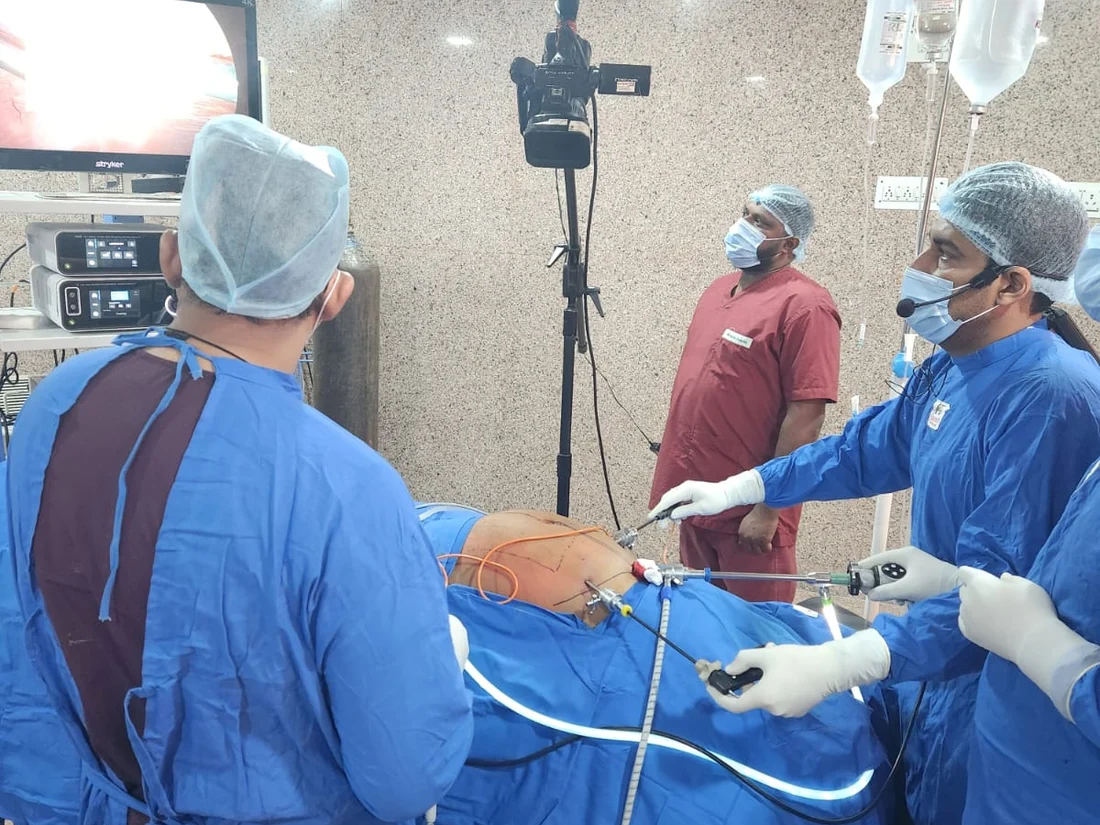
- Over 15 years of experience in Surgical Gastroenterology
- Holds a Fellowship in Advanced Laparoscopic Surgery (FALS) in Bariatric Surgery
- Runs Kanpur's dedicated Bariatric Surgery programme
- Part of a legacy of surgical firsts brought to Kanpur and the surrounding region
This depends on your body weight, any weight-related health conditions, and your previous attempts at weight management. A full assessment is needed to confirm suitability.
A sleeve gastrectomy removes part of the stomach to reduce its size, while a gastric bypass also changes how food is digested. The most suitable option depends on your individual case and is discussed during consultation.
Many patients see significant improvement in type 2 diabetes after bariatric surgery, and some achieve remission, but outcomes vary and this is discussed individually.
Ongoing follow-up after surgery is part of the treatment plan, and is aimed at supporting long-term results. Weight regain is discussed as part of your individual care plan should it occur.
Bariatric surgery is a decision worth making with full information. Dr. Abhimanyu Kapoor provides specialist bariatric and metabolic surgery in Kanpur, including laparoscopic sleeve gastrectomy and gastric bypass.