

HPB surgery, also called hepatopancreaticobiliary surgery, is surgery for benign, non-cancerous conditions of the liver, pancreas and bile duct, most commonly gallstones and difficult gallbladder disease. For gallbladder, liver, pancreatic or bile duct cancer, see the GI & Cancer Surgery page.
- Gallstones found on ultrasound, with or without pain
- Repeated attacks of abdominal pain after fatty meals
- A gallbladder that is inflamed, thickened or difficult to treat
- A benign liver or pancreatic finding on a scan
- Jaundice not linked to a confirmed cancer diagnosis
Gallstones and benign gallbladder disease are common and are usually treated successfully with laparoscopic surgery. Even a gallbladder that has been called difficult, due to inflammation or previous attacks, can usually still be managed safely with the right surgical experience.
Risk factors for gallstones and gallbladder disease include age, being female, obesity, rapid weight loss, and a family history of gallstones. Many patients have no risk factors at all.
Clinical examination and review of symptoms
Ultrasound or other imaging to confirm gallstones or the relevant liver or pancreatic finding
Blood tests to check liver function where relevant
Further imaging, such as an MRCP, where the bile duct needs closer assessment
- Laparoscopic gallbladder surgery: keyhole removal of the gallbladder, the standard approach for most patients
- Difficult gallbladder surgery: a more detailed surgical plan for gallbladders that are inflamed, scarred or have been difficult to treat previously
- Bile duct clearance: removal of stones from the bile duct where they have moved beyond the gallbladder
- Benign liver and pancreatic surgery: management of non-cancerous liver or pancreatic conditions
Most patients go home within a day or two of laparoscopic gallbladder surgery and return to normal activity within one to two weeks.
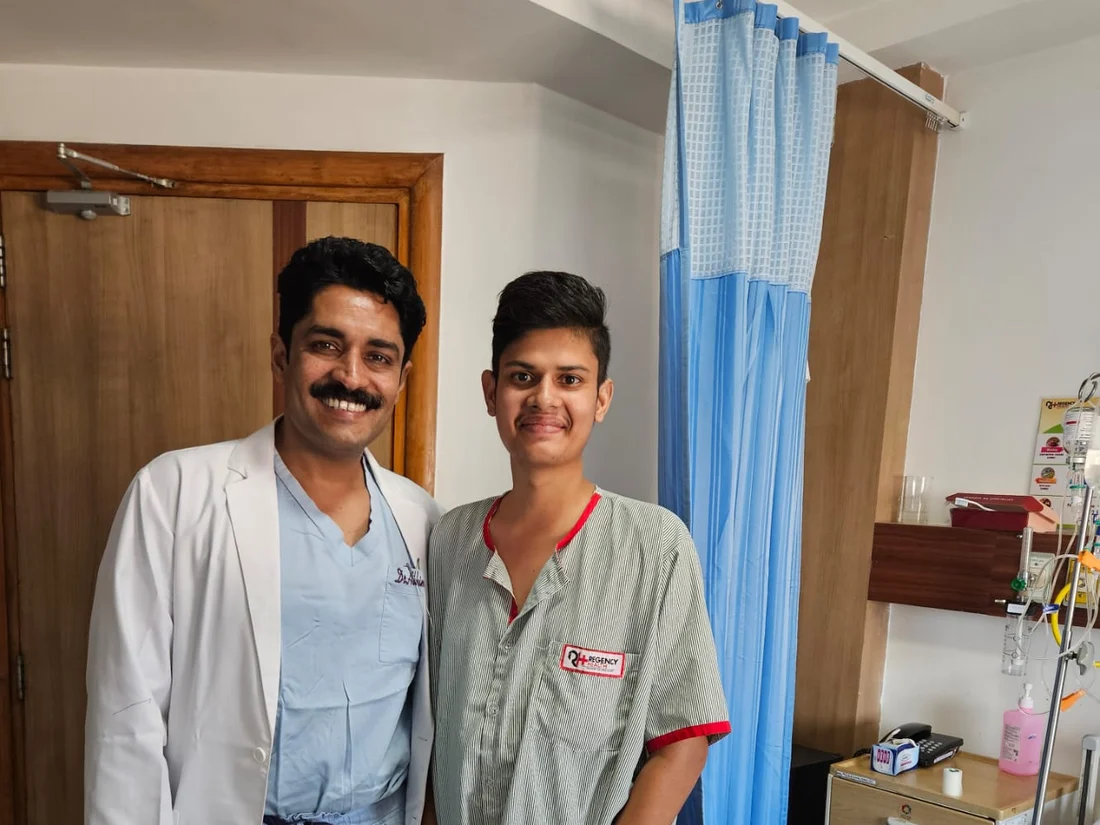
- Over 15 years of experience in Surgical Gastroenterology
- Holds a dedicated Fellowship in Advanced Laparoscopic Surgery (FALS) in HPB Surgery
- Specific training in complex, minimally invasive approaches to liver, pancreas and biliary conditions
- Experience managing difficult and previously complicated gallbladder cases
- Part of a legacy of surgical firsts in Kanpur, bringing advanced GI surgical techniques to the region
Most patients have mild to moderate discomfort for a few days, which is well controlled with medication. Laparoscopic surgery involves smaller incisions than open surgery, which usually means less pain and a faster recovery.
A gallbladder that is significantly inflamed, scarred from previous attacks, or stuck to nearby structures can make surgery more technically demanding. This is assessed before surgery and planned for accordingly.
Not always. Gallstones without symptoms are often monitored rather than operated on immediately, though this depends on your individual case.
In many cases yes, using laparoscopic or endoscopic techniques, depending on the size and location of the stone.
Gallbladder, liver and pancreatic conditions are usually more straightforward to treat than they first seem. Dr. Abhimanyu Kapoor provides specialist HPB surgery in Kanpur, including for difficult and recurrent gallbladder disease.