

GI cancer surgery, also called gastrointestinal oncosurgery, is the surgical removal of a cancer affecting the gallbladder, stomach, liver, pancreas, bile duct or colon and rectum. It is often combined with laparoscopic or robotic techniques where appropriate, and is planned around the type, stage and location of the cancer.
- A gallbladder, liver, pancreatic or bile duct finding on an ultrasound or CT scan
- Persistent abdominal pain, bloating or a mass that can be felt
- Jaundice, or yellowing of the skin or eyes
- Unexplained weight loss
- Blood in the stool, or a persistent change in bowel habit
- Difficulty swallowing or persistent indigestion
- A confirmed GI cancer diagnosis from a biopsy, or an incidental cancer found after gallbladder or other surgery
A finding on a scan or a new diagnosis understandably raises concern, but not every abnormal finding turns out to be cancer, and even where cancer is confirmed, many GI cancers are treatable with the right surgical plan. What matters most is getting an accurate diagnosis and a treatment plan suited to your specific case, rather than a generic one.
Risk factors vary by cancer type, but commonly include age, long-standing gallstone disease, chronic liver disease, smoking, a family history of GI cancer, and certain inherited conditions. Many patients have no identifiable risk factor at all, which is why persistent symptoms should always be evaluated.
Clinical examination and review of symptoms and history
Imaging, such as ultrasound, CT or MRI, to assess the extent of disease
Biopsy or tissue sampling to confirm the diagnosis
Staging investigations to plan the safest and most appropriate surgical approach
- Laparoscopic or robotic cancer surgery: minimally invasive removal of the cancer where suitable, aimed at smaller incisions and a faster recovery
- Open surgery: used where the extent or location of the cancer requires it
- Oesophagus cancer surgery: surgical management of oesophageal cancer, including complex oesophageal reconstruction where needed
- Incidental cancer management: further surgery where a cancer is found unexpectedly after gallbladder or other routine surgery
- Multidisciplinary planning: coordination with oncologists and other specialists for cases needing combined treatment
Recovery depends on the extent of surgery and the individual patient, and is discussed in detail before the day of surgery.
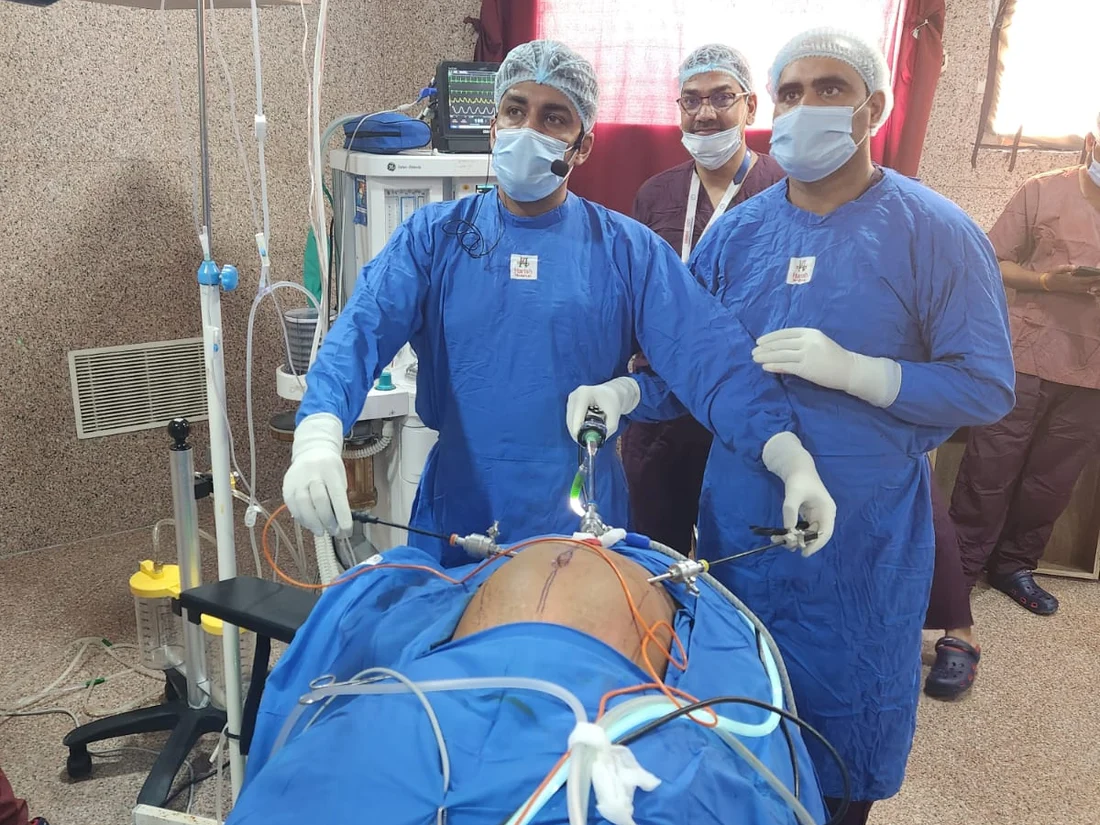
- Over 15 years of experience in Surgical Gastroenterology
- Trained with special exposure at Tata Memorial Hospital, one of the country's leading centres for cancer care
- Among the highest-volume laparoscopic GI cancer surgeons in the region
- Author of multiple published research papers in GI cancers
- Part of a legacy of surgical firsts in Kanpur, including the region's first robotic GI surgery programme
Yes, in many cases. If a cancer is found incidentally after a routine gallbladder removal, further surgery or treatment can often still be carried out, depending on the extent of the disease. This is assessed on an individual basis.
Pancreatic cancer surgery should be carried out by a surgeon with specific experience in HPB and GI cancer surgery, since the procedure is technically demanding and the approach affects the outcome.
Yes. A second opinion can help confirm the diagnosis, clarify whether surgery is suitable, and outline the treatment approach before you commit to a plan.
Robotic and laparoscopic techniques are used where appropriate for GI cancer surgery, depending on the type, stage and location of the cancer. This is discussed individually for each patient.
A GI cancer diagnosis is a lot to take in, and understanding your options makes the decision easier. Dr. Abhimanyu Kapoor provides specialist GI and cancer surgery in Kanpur, including robotic and laparoscopic options.